High Dynamic Range (HDR) has completely changed how we see images on modern TVs. It adds depth, color, and realism that standard displays simply can’t match. But not all HDR is created equal, and knowing what sets the best versions apart can transform your viewing experience. Before you pick your next TV, it’s worth understanding what HDR really does and why it might be the feature that takes your entertainment to the next level.
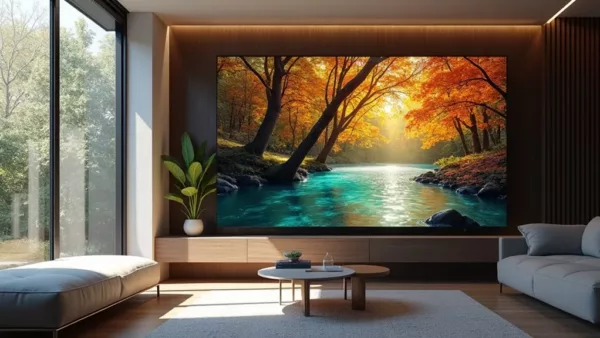
HDR on TVs is a game-changer for your viewing experience. (Image: ABWavesTech)
High Dynamic Range (HDR) technology is a game-changer for your TV viewing experience.
HDR enhances the picture quality by expanding the range of brightness and color, allowing your screen to display more detail in both dark and bright areas at the same time.
With HDR technology, your TV can adjust brightness levels dynamically using metadata, delivering a more lifelike image that closely matches how the human eye sees the world.
If you want richer colors and stunning contrast, HDR technology is the key to unlocking a vibrant and immersive visual experience.
How HDR enhances picture quality
HDR technology enhances picture quality by expanding the range of brightness and color on HDR-enabled TVs.
With HDR, you get more vivid highlights and deeper shadows, making images look more lifelike and immersive.
This improved contrast and color accuracy with HDR reveal subtle details, adding depth and realism that significantly boost your viewing experience compared to standard dynamic range displays.
Different types of HDR formats on TVs
Different types of HDR formats on TVs are designed to boost your viewing pleasure by making colors more vivid and brightness levels more dynamic.
The most popular HDR formats include HDR10, which is an open standard supported by many TV brands. Dolby Vision is another top choice, known for its dynamic metadata that adjusts scenes individually for a better picture.
Then there’s HLG (Hybrid Log-Gamma), which is perfect for broadcast TV and live events. Understanding different types of HDR formats on TVs can help you pick the right one, ensuring your content looks amazing no matter what device you use.
The role of brightness and contrast in HDR
When it comes to HDR, brightness and contrast play a key role in creating stunning images. HDR technology depends heavily on a TV’s ability to boost brightness and enhance contrast.
Higher brightness levels make highlights pop with vivid clarity, while better contrast ensures dark scenes keep their details without looking washed out.
By improving brightness and contrast, HDR delivers a more realistic and immersive viewing experience, setting it apart from regular displays.
Understanding the importance of brightness and contrast in HDR helps you appreciate how this technology is revolutionizing the way we watch content.
HDR content availability and compatibility
HDR content availability and compatibility are key to enjoying the full benefits of HDR technology.
For HDR content to shine, it must be created and streamed in popular formats like HDR10 or Dolby Vision. Plus, your TV or media player needs to support these HDR standards to display the vibrant colors and stunning details properly.
When HDR content and compatible devices come together, viewers get an amazing visual experience that truly showcases the power of HDR technology.
Make sure your setup supports HDR content to unlock the best picture quality possible!
Choosing the right TV for optimal HDR experience
When looking for the right TV, focus on key features like high peak brightness, a wide color gamut, and support for popular HDR standards such as HDR10 or Dolby Vision.
Picking a TV with local dimming is also important because it boosts contrast and brings out HDR’s finer details.
By considering these factors, you’ll find a TV that delivers a stunning HDR viewing experience, making your favorite movies and shows look more vivid and realistic.
Conclusion
HDR on TVs is a game-changer for your viewing experience. HDR technology boosts brightness, contrast, and color accuracy, making everything look more vivid and lifelike. With HDR, you get a wider dynamic range, which means you can enjoy more details in both dark and bright scenes. Choosing the right HDR-compatible TV and content ensures you get the most out of this amazing feature. In short, HDR on TVs makes your movies and shows more exciting and visually stunning every time you watch.