
Innovation
How to complete your crypto transaction?
Start your crypto journey by mastering the first transaction—discover the crucial steps you can't afford to miss before making your move.


The terms Metaverse, Virtual Reality (VR), and Augmented Reality (AR) have quickly become part of mainstream conversations. You see them in tech articles, conference discussions, and even everyday social media posts. However, despite their popularity, many people still confuse these concepts or treat them as identical. In reality, each one plays a different role in shaping the future of digital interaction.
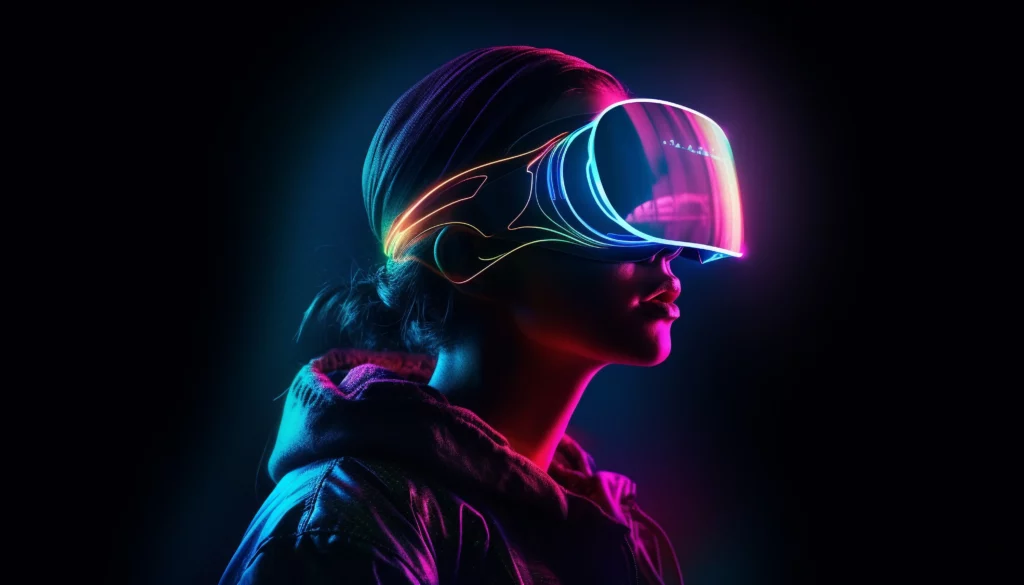
As technology evolves at an astonishing pace, understanding the differences between Metaverse vs VR and AR is essential — not only for tech enthusiasts but also for educators, businesses, creators, and everyday users. These technologies are already transforming entertainment, work, education, and communication. In this expanded guide, we break down the characteristics, applications, and future potential of each.
The Metaverse is best understood as the next evolution of the internet: an interconnected, persistent, and immersive network of virtual spaces. Unlike traditional web pages, the Metaverse is built around 3D environments where users interact through customizable avatars.
Think of it as a massive shared universe where physical limitations no longer apply. You can attend virtual concerts, explore digital cities, collaborate in 3D workspaces, or learn in interactive classrooms — all without leaving your home.
Key characteristics of the Metaverse include:
Although still in development, companies like Meta (formerly Facebook), Epic Games, Roblox, and various blockchain projects are working to define what the Metaverse will eventually become.
Virtual Reality (VR) is one of the clearest and most advanced entry points into the Metaverse — but it is also its own technology with its own purpose.
VR fully immerses you in a simulated environment, blocking out the real world. When you wear a VR headset, such as the Meta Quest, PlayStation VR, or Valve Index, your senses are redirected to a digital world that you can explore in 360 degrees.
Examples of VR experiences include:
What makes VR powerful is the feeling of presence — the sensation of truly being somewhere else. You can look around naturally, move through virtual spaces, and interact with objects or characters.
VR strengths include:
However, VR also has limitations: headsets can be expensive, extended use may cause fatigue, and users must be in a safe physical space to move freely.
While VR replaces your environment, Augmented Reality (AR) enhances it. Digital content is layered onto your real-world surroundings, allowing you to interact with both simultaneously.
You’ve already experienced AR if you’ve used:
AR is rapidly evolving and has massive potential because it does not require total immersion. Instead of replacing reality, it adds information, visuals, or objects to it. That means AR can be used:
Some emerging forms of AR include smart glasses like Microsoft HoloLens, Magic Leap, and early prototypes from Meta and Apple.
Key advantages of AR include:
Because AR is more flexible and less intrusive, many experts believe it will eventually become more widespread than VR.
A common misconception is that the Metaverse is VR or AR. In reality, VR and AR are technologies, while the Metaverse is a platform or ecosystem that can use those technologies.
The relationship works like this:
For example:
Together, VR and AR act as gateways into the Metaverse, enabling users to engage with digital content in different levels of immersion.
If you want to dive deeper into the hardware side, you can check out our detailed comparison of the latest VR headsets and how they influence immersion.
The convergence of Metaverse vs VR and AR is opening the door to entirely new opportunities in professional and educational environments.
Companies are experimenting with virtual offices and collaborative environments. Platforms such as Meta Horizon Workrooms, Microsoft Mesh, and Spatial allow teams to meet as avatars, brainstorm in 3D, or manipulate digital objects together.
These technologies support:
AR and VR are becoming powerful tools for hands-on learning:
The Metaverse expands these possibilities even further by creating virtual campuses, interactive classrooms, and shared learning experiences.
If you’d like to explore this topic further, check out our article on how VR is reshaping modern education.


Start your crypto journey by mastering the first transaction—discover the crucial steps you can't afford to miss before making your move.

Unlock the secrets of seamless cryptocurrency transactions—understand every crucial step before you risk your first coin. Discover what most beginners miss.

Here are the most secure platforms to buy cryptocurrency online—discover which one keeps your assets safest before you make your next move.

Unlock the secrets to easily transforming your digital art into tokens—discover what you need to know before making your first move.

Premium digital collectibles aren’t always easy to spot—prepare to discover five expert tips that could change the way you collect forever.

From energy-hungry blockchains to surprising climate costs, find out how NFTs could be shaping our planet’s future in unexpected ways.