When diving into the world of artificial intelligence, you’ll frequently encounter the terms machine learning and deep learning. Although they might sound similar, there’s more than meets the eye.
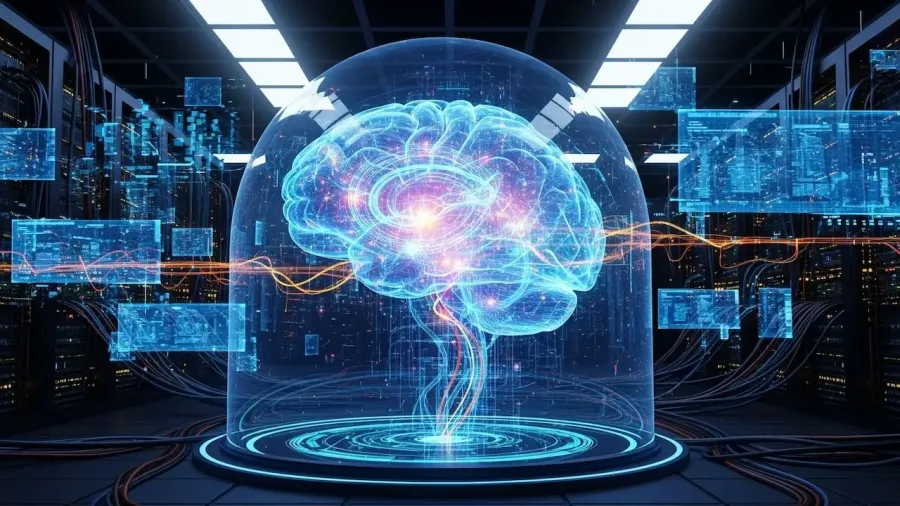
Machine learning Vs Deep learning (Image: Abwavestech)
Understanding what really sets machine learning and deep learning apart can guide you in making smarter choices for your next data-driven project. So, before you make a decision, it’s essential to ask yourself—how do machine learning and deep learning actually handle data, learning, and scalability?
Machine learning, a subset of AI, relies on algorithms to parse data, learn from it, and make informed decisions based on what it learned. It’s often used in technology applications like smartphone apps and software that require predictive analytics.
On the other hand, deep learning, which is a subset of machine learning, employs neural networks with multiple layers to analyze complex patterns in large datasets. This approach is particularly suited for advanced applications like image and voice recognition in technology and software development.
When considering scalability, machine learning models generally require less computational power, making them ideal for smaller projects or applications. Meanwhile, deep learning models, due to their complexity, often demand more resources but excel in handling massive datasets, making them perfect for more extensive technology projects.
By understanding the distinctions between machine learning and deep learning, you can choose the best approach for your tech-related needs. Whether you’re developing an app, software, or a new feature for smartphones, knowing how these two methods handle data can lead to more effective and efficient solutions.
If you’re just beginning your journey into the world of technology, you’re likely to come across the buzzword “machine learning” quite often.
Machine learning is an exciting branch of computer science where algorithms gain the ability to learn from data, enabling them to recognize patterns and make decisions. This fascinating process happens without needing explicit programming for every single task.
For instance, machine learning can be harnessed to filter spam emails, suggest movies you might like, or even detect credit card fraud.
The magic of machine learning lies in its reliance on input data, features, and feedback, allowing systems to adapt and improve over time.
With machine learning, you’re empowering computers to learn from experience directly, making it a cornerstone of modern technology, apps, and software advancements.
Understanding deep learning: a closer look
Deep learning, a powerful branch of machine learning, uses artificial neural networks inspired by the human brain to revolutionize technology.
These deep learning models are made up of interconnected layers that transform input data into more abstract representations. This layered approach is what enables computers to recognize complex patterns, such as identifying objects in images or understanding spoken language.
Deep learning shines when processing large, unstructured datasets like images, audio, or text. By automatically extracting features, deep learning eliminates the need for manual feature engineering, allowing you to tackle more challenging and nuanced technology problems.
In the realm of apps, smartphones, and software, deep learning is key to advancing innovation and improving user experiences.
Key differences in data requirements
When it comes to technology, especially in the realms of apps, smartphones, and software, understanding the differences in data requirements between machine learning and deep learning is crucial.
Machine learning works wonders with smaller, structured datasets. These algorithms shine brightest with clean and organized data, making them an excellent choice when you’re dealing with limited data.
On the other hand, deep learning is a powerhouse when it comes to handling vast amounts of unstructured data, such as images, audio, or text. Without these large datasets, deep learning may not perform at its best.
So, if you’re working with big data, deep learning can uncover complex patterns that machine learning might miss.
How algorithms learn: ML Vs DL Approaches
Are you curious about how algorithms learn in the world of artificial intelligence? Let’s dive into the differences between machine learning and deep learning.
Both belong to the AI family, yet their learning processes are distinct. Machine learning requires a guiding hand, where you select specific features or patterns to help the algorithm learn step by step. Techniques like decision trees or support vector machines are often used, needing some manual input and tuning.
However, deep learning takes a different path. It relies on powerful neural networks that automatically extract features from raw data. No need to handcraft features here—deep learning models autonomously learn hierarchical representations, capturing complex patterns. This can often surpass what traditional machine learning methods can achieve.
Keep these insights in mind as you explore the fascinating world of technology, apps, and software, where machine learning and deep learning play pivotal roles.
Hardware and computational needs compared
When diving into the world of machine learning and deep learning, you’ll quickly notice a significant difference in their hardware and computational demands.
Traditional machine learning often runs smoothly on standard CPUs and laptops, making it a more accessible and cost-effective choice for many users.
However, deep learning requires more robust hardware, particularly GPUs or TPUs, due to its dependence on large neural networks and vast datasets.
If you’re considering deep learning, remember that you’ll need substantial memory and processing power to train deep learning models effectively.
This not only raises hardware costs but also increases energy consumption.
Real-world applications: where each shines
Understanding the hardware and computational demands of different technologies is key to knowing why machine learning and deep learning excel in various real-world applications.
When it comes to structured data like spreadsheets, customer records, or financial information, traditional machine learning is your go-to. It provides quick, accurate results, making it ideal for tasks such as credit scoring or fraud detection.
However, if you’re dealing with unstructured data, such as images, audio, or natural language, deep learning is where the magic happens. Deep learning powers cutting-edge technologies like speech recognition, self-driving cars, and advanced image analysis.
By choosing the right technology—be it machine learning or deep learning—you can maximize efficiency and accuracy for your specific tech application.
Whether you’re developing a new app, software, or smartphone feature, understanding these technologies will give you a competitive edge.
Model interpretability and transparency
In the world of technology, particularly when it comes to machine learning and deep learning, model interpretability and transparency are crucial concepts. If you’re someone who values transparency in technology, you might find traditional machine learning models like decision trees or linear regression more appealing.
These models are like open books—they clearly show how inputs lead to predictions, allowing you to trace their logic step by step. This transparency is especially important in fields like healthcare and finance.
On the other hand, deep learning models, such as neural networks, often operate as black boxes. They’re excellent at extracting complex patterns but don’t easily reveal why they made a particular decision. This opacity can be a significant drawback when interpretability is essential.
For example, in sectors where understanding the “why” behind a decision is crucial, you might lean towards machine learning for its transparency.
In today’s ever-evolving tech landscape, balancing the power of deep learning with the need for model interpretability and transparency is key to harnessing the full potential of these technologies.
Training time and scalability
When diving into the world of technology and software, there’s a lot to consider, especially when comparing machine learning and deep learning. These two powerful tools can tackle complex issues, yet they’ve distinct differences in training time and scalability.
If you’re leaning towards traditional machine learning, you’ll likely enjoy quicker training times, particularly with smaller datasets. However, deep learning models often demand hours or even days to train due to their intricate architectures and the vast number of parameters they incorporate.
When we talk about scalability in the tech world, deep learning truly stands out. It has the capability to manage enormous datasets and takes full advantage of powerful hardware like GPUs.
On the flip side, machine learning algorithms mightn’t scale as efficiently when faced with massive data. So, whether you’re working on apps, software, or other technology projects, your choice between machine learning and deep learning depends on your project’s size and the resources you have at your disposal.
Popular tools and frameworks
When diving into the world of machine learning and deep learning, selecting the right tools and frameworks is crucial for success.
For machine learning enthusiasts, popular libraries like Scikit-learn, XGBoost, and LightGBM are your go-to resources. These tools provide efficient implementations of classic algorithms and seamlessly integrate with Python, making machine learning more accessible.
On the deep learning front, cutting-edge frameworks like TensorFlow, PyTorch, and Keras are indispensable. They offer robust support for neural network construction and GPU acceleration, which is vital for deep learning projects.
Each of these tools and frameworks has its unique strengths, so it’s important to align your project’s requirements with their capabilities, active development communities, and user-friendliness.
Choosing the right approach for your project
When it comes to deciding between machine learning and deep learning for your project, start by taking a close look at your data. If your dataset is smaller and structured, classic machine learning methods, such as decision trees or SVMs, are excellent choices.
However, if you’re working on complex problems involving large-scale, unstructured data—like images, audio, or text—deep learning and its neural networks truly excel.
Don’t forget to consider your hardware as well; deep learning typically requires powerful GPUs, whereas machine learning can operate on more modest machines.
Additionally, think about interpretability: machine learning models are generally easier to explain. Always align your approach with your project’s specific needs, data, and resources to achieve the best results in the realm of technology, apps, smartphones, and software.
Conclusion
When choosing between machine learning and deep learning, it’s vital to think about your data size, interpretability needs, and hardware resources. Machine learning is perfect for smaller, structured datasets and offers clear insights, making it an excellent choice for projects that need straightforward analysis.
On the other hand, deep learning excels with large, unstructured data but requires more computational power and time.
In the realm of technology—whether it’s apps, smartphones, or software—deciding between machine learning and deep learning can significantly impact your project’s success.
Deep learning can handle complex tasks often found in cutting-edge apps and smartphone technology, but it comes at a cost of needing robust hardware.
Ultimately, the right choice between machine learning and deep learning hinges on your project’s goals and constraints. Weigh the trade-offs carefully to ensure you maximize your AI efforts and make informed decisions that align with your technological objectives.