Published on November 2, 2025 at 11:00 AMUpdated on November 2, 2025 at 11:00 AM
Smart sensors are transforming home protection by bringing intelligent, automated, and real-time monitoring to every corner of your living space. Unlike traditional alarms that only react when danger is already present, smart sensors continuously collect environmental data, analyze patterns, and alert you before minor issues turn into serious threats. With features such as motion detection, temperature monitoring, air quality tracking, and water leak alerts, smart sensors offer homeowners a safer, more responsive, and more efficient living environment. As modern homes evolve, smart sensors have become essential tools for anyone looking to improve security, prevent hazards, and embrace the benefits of smart technology.
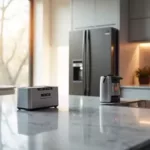
Smart sensors are key to boosting home safety by offering constant monitoring and quick alerts. (Image: ABWavesTech)
Smart sensors are advanced devices equipped with both sensing components and integrated microprocessors that analyze data in real time. By using built-in logic, smart sensors can detect environmental changes such as motion, smoke, humidity, CO levels, light variations, and temperature shifts. Unlike basic sensors that simply trigger an alarm, smart sensors can interpret data, recognize unusual patterns, and communicate with other devices in your home.
This ability to monitor, analyze, and respond makes smart sensors incredibly valuable for home safety. They can adjust to real-world conditions, activate alarms, send mobile notifications, trigger automation routines, or even shut down appliances to prevent damage. With smart sensors, homeowners gain a smarter, faster, and more accurate layer of protection that adapts to everyday life.
Types of smart sensors for home safety
There are many types of smart sensors designed to improve home safety, each serving a specific purpose. Here are the most important smart sensors for today’s homes:
Smoke and Fire Sensors Smart smoke sensors detect smoke or rapid temperature increases and send instant alerts to your smartphone. Many also integrate with smart alarms and emergency lighting.
Carbon Monoxide (CO) Sensors These smart sensors detect dangerous CO levels and notify you before the gas becomes harmful, offering crucial protection for homes with fuel-burning appliances.
Motion Sensors Motion-activated smart sensors protect your home by identifying unexpected movement indoors or outdoors and sending real-time alerts.
Door and Window Sensors These smart sensors monitor entry points and detect forced entry, tampering, or unusual openings, making them essential for intrusion prevention.
Water Leak Sensors Water leak smart sensors identify early signs of leaks, pipe bursts, or flooding before major damage occurs.
Temperature and Humidity Sensors These environmental smart sensors help prevent problems like mold growth, overheating appliances, or frozen pipes.
Air Quality Sensors Air quality smart sensors detect pollutants, VOCs, dust, and poor ventilation, helping protect your health and improve indoor comfort.
By combining different smart sensors, you create a safer home that detects threats quickly and accurately.
Benefits of installing smart sensors in your home
Smart sensors provide homeowners with a wide range of benefits that enhance everyday life:
Early Hazard Detection Smart sensors identify threats such as smoke, CO, water leaks, and break-ins early, allowing you to take action immediately.
Improved Energy Efficiency Environmental smart sensors help HVAC systems, lighting, and appliances run more efficiently by responding automatically to real-time conditions.
Convenience and Comfort Smart sensors automate daily tasks, such as adjusting lighting or regulating temperature based on occupancy or time of day.
Cost Savings Preventing accidents, controlling energy use, and avoiding structural damage can save thousands of dollars over time.
Remote Monitoring Smart sensors connected to your mobile app keep you informed even when you’re away, offering peace of mind 24/7.
Smart sensors make your home safer, smarter, and more efficient with minimal effort.
How smart sensors integrate with home security systems
Smart sensors work seamlessly with home security systems by sending real-time information to your home hub, security panel, or mobile device. When smart sensors detect smoke, movement, a water leak, or an unauthorized entry, the system can automatically:
• send instant notifications • record video through security cameras • trigger lighting or alarms • contact monitoring services • lock or unlock smart doors • activate automated routines
By integrating smart sensors with your home security system, you gain proactive protection and complete visibility of what’s happening inside and outside your home. This real-time, automated communication is what makes smart sensors one of the most valuable components of any modern security setup.
Real-life examples of smart sensors preventing emergencies
Smart sensors have repeatedly shown their value in real-life situations:
• Fire prevention: Smart smoke sensors detect early traces of smoke and alert homeowners before a fire grows out of control. • Water leak detection: Water leak smart sensors identify small drips under sinks or near water heaters, preventing thousands of dollars in damage. • Intrusion detection: Motion smart sensors capture suspicious movement, triggering alarms and notifying homeowners instantly. • CO alerts: Smart carbon monoxide sensors detect harmful levels before symptoms occur, providing life-saving protection.
These real-world examples show how smart sensors move beyond theory—they actively prevent emergencies and protect families every day.
Tips for choosing the right smart sensors for your home
When selecting smart sensors, keep the following tips in mind:
• Choose smart sensors that are compatible with your existing smart home platform • Look for strong customer reviews and official certifications • Determine the coverage area needed for each space • Consider battery life, wireless range, and reliability • Prioritize easy installation and user-friendly apps • Balance essential safety features with your budget
Selecting the right smart sensors ensures dependable performance and long-term safety for your home environment.
Future trends in smart sensor technology for home safety
Future smart sensors will be more powerful, compact, and precise than ever. Key trends include:
• AI-powered smart sensors that learn your home’s behavior • Smaller, energy-efficient sensors with longer battery life • Improved wireless connectivity for faster communication • Predictive analytics that prevent hazards before they occur • Better integration with smart home ecosystems • Environmental sensors that track even more health-related factors
As technology evolves, smart sensors will continue to play an increasingly important role in home safety and smart living.
Conclusion
Smart sensors are essential tools for enhancing home safety, offering nonstop monitoring, real-time alerts, and advanced protection from hazards such as fire, carbon monoxide, water leaks, and break-ins. These intelligent devices integrate effortlessly with home security systems, provide energy savings, and improve the overall comfort of your living space. As smart sensor technology continues to evolve, homeowners can expect even more features, smarter responses, and stronger protection. Investing in smart sensors is a powerful step toward creating a safer, more efficient, and more connected home.