If you’re exploring a career in user experience design, you’ll discover it’s about much more than simply enhancing the visual appeal of websites. User experience design involves understanding how people think and interact with technology, seamlessly blending creativity with practical problem-solving.
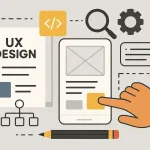
Is user experience design career? (image: Abwavestech)
This career path requires both empathy and technical skills, allowing you to make a significant impact on how users engage with digital products. Before diving into user experience design, it’s important to be aware of a few key considerations. By gaining expertise in user experience design, you’ll be well-positioned to influence how people interact with technology, apps, smartphones, and software.
A UX designer plays a crucial role in shaping how people interact with digital products, such as apps and software on smartphones.
As a UX designer, you focus on understanding users’ needs and researching behaviors to ensure that every touchpoint with technology feels intuitive and enjoyable. Your work involves collaborating with teams to create streamlined experiences that bridge the gap between technology and human expectations.
By ensuring interfaces are both functional and delightful, a UX designer helps make technology accessible and user-friendly. Constantly iterating and testing solutions, you aim to meet evolving user demands and business goals in the tech world.
The role of a UX designer is essential in crafting seamless experiences for users interacting with digital products.
Key skills required for success in UX design
If you’re diving into UX design or aiming to climb higher in this tech-savvy field, honing specific skills is crucial.
In the world of UX design, having a deep sense of empathy is key to truly grasping users’ needs. Alongside this, sharp problem-solving skills and a talent for clear communication will set you apart.
Mastering wireframing, prototyping, and user research is also essential for success in UX design. Plus, staying adaptable is a must, as UX design tools and trends are always evolving.
Embrace these skills, and you’ll find yourself thriving in the ever-changing landscape of UX design.
Typical responsibilities in UX design jobs
In every UX design job, you’ll find a unique mix of tasks that help create user-friendly digital experiences.
As a UX designer, you’ll dive into user research, develop wireframes and prototypes, and test designs with actual users. Collaboration is key, as you’ll work alongside developers, product managers, and stakeholders to ensure that solutions align with user needs and business objectives.
Part of your daily routine will include documenting design decisions and refining them based on feedback.
These responsibilities in UX design roles are essential for crafting intuitive and seamless digital interactions.
Education and training pathways
Becoming a UX designer in the tech world offers various educational pathways to explore. Whether you’re interested in technology, apps, or software, there are several ways to gain the necessary skills.
One popular route is pursuing a formal degree in fields like design, psychology, or human-computer interaction, which can provide a solid foundation in UX design principles. Alternatively, you can dive into the world of UX design through bootcamps, online courses, or certificate programs, which often focus on practical, hands-on learning.
Building a strong portfolio with real-world projects or internships is essential, as it helps you showcase your UX design abilities. This approach not only strengthens your skills in technology and software but also makes you stand out to potential employers in the competitive UX design landscape.
Career growth and advancement opportunities
As you gain experience as a UX designer, you’ll unlock a variety of career growth and advancement opportunities within the tech industry.
With time, you can transition into senior UX roles, specialize in niche areas like user research or interaction design, or even climb the ladder to leadership positions such as a UX manager or director.
By expanding your skill set and building a robust portfolio, you can open doors to greater responsibility and influence in your UX design career.
Whether you’re passionate about technology, software, or the latest apps and smartphones, a career in UX design offers endless possibilities for those committed to growth and innovation.
Industries and companies hiring UX designers
Are you passionate about user experience design? The demand for UX designers is growing rapidly across various industries.
From tech startups to established software companies, UX designers are in high demand in the technology sector. Companies like Google, Amazon, and IBM are continuously on the lookout for talented UX designers to enhance their software and apps.
In addition to the tech giants, you can find exciting opportunities at design agencies and consultancies that focus on user-centered design. Whether you’re interested in working with cutting-edge technology or improving mobile apps, there’s a place for UX designers in the ever-evolving world of technology.
Salary expectations and job market trends
The field of user experience design in technology offers a wide range of salaries, especially as you gain skills and experience in areas like apps, smartphones, and software.
Entry-level roles in user experience design often start with strong salaries, and there’s potential for significant growth as you take on more responsibility or move into specialized positions.
The job market for user experience design remains robust due to high demand across the technology industry, providing ample opportunities for advancement and negotiating higher compensation packages.
As technology continues to evolve, roles in user experience design related to apps, smartphones, and software are becoming more essential, ensuring a promising career path.
Challenges and rewards in UX design
UX design is an exciting and creative career path in the technology sector, especially for those interested in apps, smartphones, and software. However, it does present unique challenges that test your problem-solving skills and adaptability.
As a UX designer, you’ll often face tight deadlines and shifting project requirements. Balancing user needs with business goals is another crucial aspect of UX design.
Despite these pressures, the field of UX design offers immense satisfaction, particularly when you see your designs enhance real lives. Every project in UX design provides new opportunities to innovate, collaborate, and grow your expertise.
Whether you’re working on apps, smartphones, or any other technology-related projects, the rewards of a career in UX design are plentiful.
Tips for getting started in UX design
Unlocking the world of UX design is an exciting journey, especially if you’re passionate about technology and digital experiences.
To kickstart your career in UX design, it’s crucial to grasp user-centered design principles and understand the fundamentals of usability. Dive into popular UX design tools like Figma or Sketch, and analyze successful digital products to better understand what makes them tick.
Building a portfolio with real or self-initiated UX design projects can showcase your skills effectively. Don’t forget to network within UX communities, seek constructive feedback, and maintain a sense of curiosity.
In the dynamic field of UX design, continuous learning and adaptability are key to standing out and advancing. Embrace the challenge and watch your UX design career flourish!
Conclusion
If you’re passionate about technology and enjoy solving problems, a career in UX design might be the perfect fit for you. UX design focuses on improving digital experiences, making it an exciting field for those interested in technology and software. By working in UX design, you’ll have the opportunity to collaborate with diverse teams, enhance your skills, and significantly impact how people interact with apps and smartphones.
With strong demand and numerous opportunities for advancement, UX design is a field where you can truly thrive. Take the first step towards a UX design career today by building your portfolio and connecting with others in the UX community.