

TV
4 Smart thermostats that save energy and money
Find out how four innovative smart thermostats can transform your energy bills and comfort—discover which one fits your lifestyle best today.


The process of selecting a television has undergone a radical transformation in recent years. No longer is a “budget” television synonymous with a subpar viewing experience. In 2025, the democratization of high-end display technologies means that the features once reserved for multi-thousand-dollar flagship models—such as 4K resolution, High Dynamic Range (HDR), and even Mini-LED backlighting—have trickled down to highly affordable price points. However, the sheer volume of options available at the entry-level tier can be overwhelming. Choosing the best LED TV on a budget is an exercise in strategic prioritization: you must identify which technical specifications are non-negotiable for your specific lifestyle and which are marketing buzzwords that can be safely ignored. This comprehensive guide explores how to navigate the budget market to find a television that delivers professional-grade visuals without the premium cost.
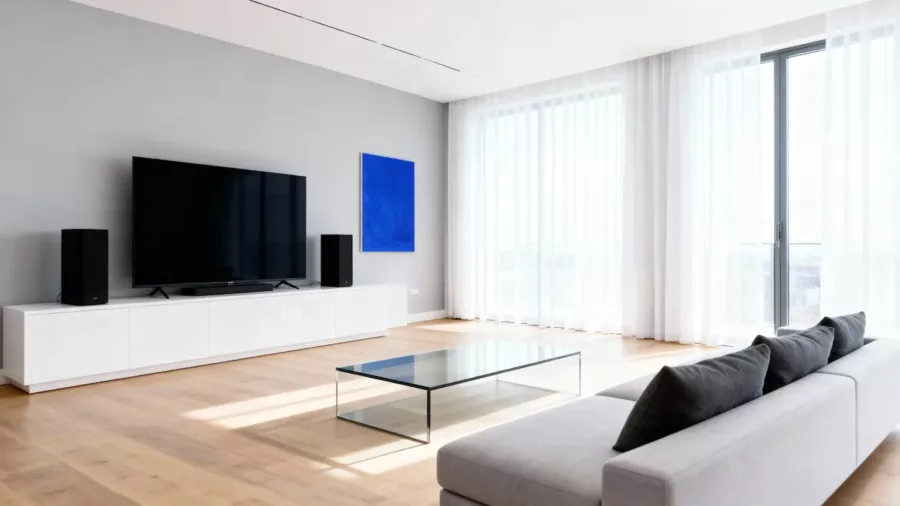
The budget television sector is currently dominated by brands that have mastered the art of vertical integration and scale. Companies like TCL and Hisense have effectively disrupted the market by offering specifications that often outperform the entry-level models from traditional giants like Sony or Samsung.
One of the standout models of 2025 is the TCL QM6K series. This model has gained critical acclaim for bringing Mini-LED technology to the sub-$600 price bracket. By utilizing thousands of tiny LEDs instead of a few dozen large ones, the QM6K achieves brightness and contrast levels that were unthinkable for a budget set just two years ago. For those who prioritize gaming, it even offers a native 144Hz refresh rate, a feature typically found in high-end monitors.
Equally impressive is the Hisense U6 series, particularly the U65QF. Hisense has focused heavily on “peak brightness,” often exceeding 1,000 nits in their budget offerings. This makes their sets ideal for bright living rooms where glare is a constant battle. Meanwhile, the Roku Plus Series continues to be the “ease-of-use” king. By combining a competent QLED panel with the most intuitive smart interface on the market, Roku provides a seamless experience for users who want to get to their content with as few clicks as possible. Samsung also maintains a strong presence with its Crystal UHD line, which, while lacking the advanced dimming zones of Mini-LEDs, offers a sleek design and the highly polished Tizen OS that many users find familiar and reliable.
When shopping for an affordable LED TV, understanding the “Tier 1” features is essential for ensuring your investment remains future-proof for several years.
Resolution and HDR Standards In 2025, 4K resolution is the absolute minimum requirement for any screen larger than 40 inches. 1080p sets are now largely relegated to very small kitchen or guest room TVs. However, resolution is only part of the story; HDR is where the real visual impact lies. On a budget, look for sets that support both HDR10 and Dolby Vision. Dolby Vision is particularly important for budget buyers because it uses dynamic metadata to optimize the picture frame-by-frame, which helps lower-end panels maximize their limited brightness and color range.
The Power of Refresh Rates Refresh rate, measured in Hertz (Hz), indicates how many times the screen updates per second. Most budget TVs are native 60Hz. While this is perfectly fine for movies and standard TV shows, sports fans and gamers should look for “Motion Rate” or “Clear Motion” numbers. Be wary of marketing terms like “Motion Rate 120,” which often just means a 60Hz panel with software trickery. If you are a serious gamer with a PS5 or Xbox Series X, searching for a budget set with a native 120Hz or 144Hz panel is a game-changer for fluidity and responsiveness.
Panel Types: VA vs. IPS Even within the LED category, the type of panel used—Vertical Alignment (VA) or In-Plane Switching (IPS)—will drastically change your experience. VA panels are common in budget sets and are loved for their high contrast and deep blacks, making them great for movie nights. However, they have narrow viewing angles, meaning the picture loses quality if you aren’t sitting directly in front of the screen. IPS panels offer much wider viewing angles but struggle with “greyish” blacks in dark rooms. Your choice should depend on your room’s layout: a wide sofa requires an IPS-like panel (often found in LG sets), while a single chair or small bedroom setup is perfect for a VA panel.
A budget TV’s value is significantly determined by its software. In 2025, we see a consolidation of operating systems. Google TV has become a favorite for its “content-first” approach, aggregating your watchlists from Netflix, Disney+, and Prime Video into a single home screen. It also provides the best voice search functionality via Google Assistant.
Roku TV remains the benchmark for stability and simplicity. It is less cluttered than its competitors and works exceptionally well on lower-powered processors typically found in cheap TVs. Amazon’s Fire TV OS is another strong contender, especially for those already deep in the Alexa ecosystem, though it tends to be more aggressive with advertising its own content. When choosing, consider if you already own smart home devices; a TV that acts as a hub for your Ring doorbell or Philips Hue lights adds significant utility beyond just video playback.
Finding the best deal on an LED TV is often a matter of timing and patience. The television industry follows a very predictable annual cycle. New models are typically announced in January at CES and hit store shelves in the spring (March to May). This makes the spring an excellent time to buy the “previous year’s” flagship or mid-range model at a budget price.
Seasonal Sales vs. Clearance While Black Friday and Cyber Monday offer significant discounts, they are often used by retailers to clear out “derivative models”—special versions of TVs made with cheaper components specifically for the holiday rush. A better strategy is to monitor the price of a high-quality model throughout the year. Use price-tracking tools to see the historical lows. Furthermore, don’t overlook “Open-Box” deals at major retailers. Many consumers return TVs simply because they were the wrong size, allowing you to pick up a virtually new, high-spec TV with a full warranty for 20-30% off the sticker price.
The Refurbished Market Buying refurbished can be a brilliant way to get a higher-tier TV on a strict budget, provided you buy from a reputable source. Look for “Manufacturer Refurbished” units which have been tested and certified by the brand itself. Avoid third-party refurbishers unless they offer a robust 90-day or 1-year warranty. A refurbished QLED from last year will almost always outperform a brand-new, bottom-tier LED from this year at the same price point.
Budget TVs almost universally suffer from poor audio quality. Because manufacturers focus their entire budget on the display panel, the internal speakers are often tinny and lack bass. When budgeting for your TV, it is wise to set aside $100 to $150 for a dedicated soundbar. A simple 2.1 channel system with a subwoofer will transform the experience from “watching a screen” to “having a home cinema.”
Connectivity is another area where budget sets cut corners. Ensure the TV has at least three HDMI ports. If you plan on using an external soundbar, one of those ports must support eARC (Enhanced Audio Return Channel) to ensure high-quality audio pass-through. Also, check for the inclusion of a USB port for powering streaming sticks and an Ethernet port for a stable internet connection, as budget Wi-Fi chips can sometimes struggle with 4K streaming data rates.
Choosing an LED TV on a budget in 2025 is no longer about settling for less; it is about making informed choices that maximize every dollar spent. By focusing on brands like TCL and Hisense that prioritize raw performance, and by understanding the critical importance of HDR formats and panel types, you can secure a viewing experience that rivals the industry leaders. The perfect budget TV is one that aligns with your specific room conditions—whether that’s a bright living room requiring high nits or a dark bedroom where contrast is king.
Ultimately, the best value is found by looking past the flashy marketing and examining the internal hardware and software support. With 4K now being the universal standard and smart features becoming more intuitive, there has never been a better time to upgrade your home entertainment system on a budget. By timing your purchase to coincide with model transitions and utilizing price-tracking tools, you can bring home a screen that offers stunning clarity and smart convenience, proving that a world-class entertainment experience is accessible to everyone.


Amanda has a degree in Languages, is a postgraduate student, and is passionate about content creation. After joining Cenário Capital, she discovered a strong interest in technology. She currently works on the Marketing team, in the SEO and Content squad.
Find out how four innovative smart thermostats can transform your energy bills and comfort—discover which one fits your lifestyle best today.

Smart lighting solutions can transform your home’s atmosphere effortlessly—discover the top three smart lights that blend innovation with style and efficiency.

Optimize your daily routine effortlessly with home automation—discover how smart technology transforms convenience, comfort, and security in ways you never imagined.

Perfect your living space with the top 3 smart home devices that promise convenience, security, and energy savings—discover which upgrades truly transform your home.

Step into stunning visuals and immersive sound with these top 3 TVs—discover which model transforms your space into the ultimate home theater experience.

Discover three top TVs that dramatically elevate your home theater experience—delivering stunning visuals and features you won’t want to miss.